Part 2 of 3 in the series The Car Accident Calendar: Seasonal Crash Risks and Who Really Pays.
In Part 1, we looked at holiday crashes where the bar or party host can share the bill with a drunk driver. Back-to-school season brings a different crowd to the road: small kids on sidewalks, yellow buses stopping every few blocks, and drivers who just got their license over the summer.
This series was shaped with insights from Mooshehk Peresonal Injury Law Firm, whose car accident work helped frame how each season changes who is at fault and who pays.
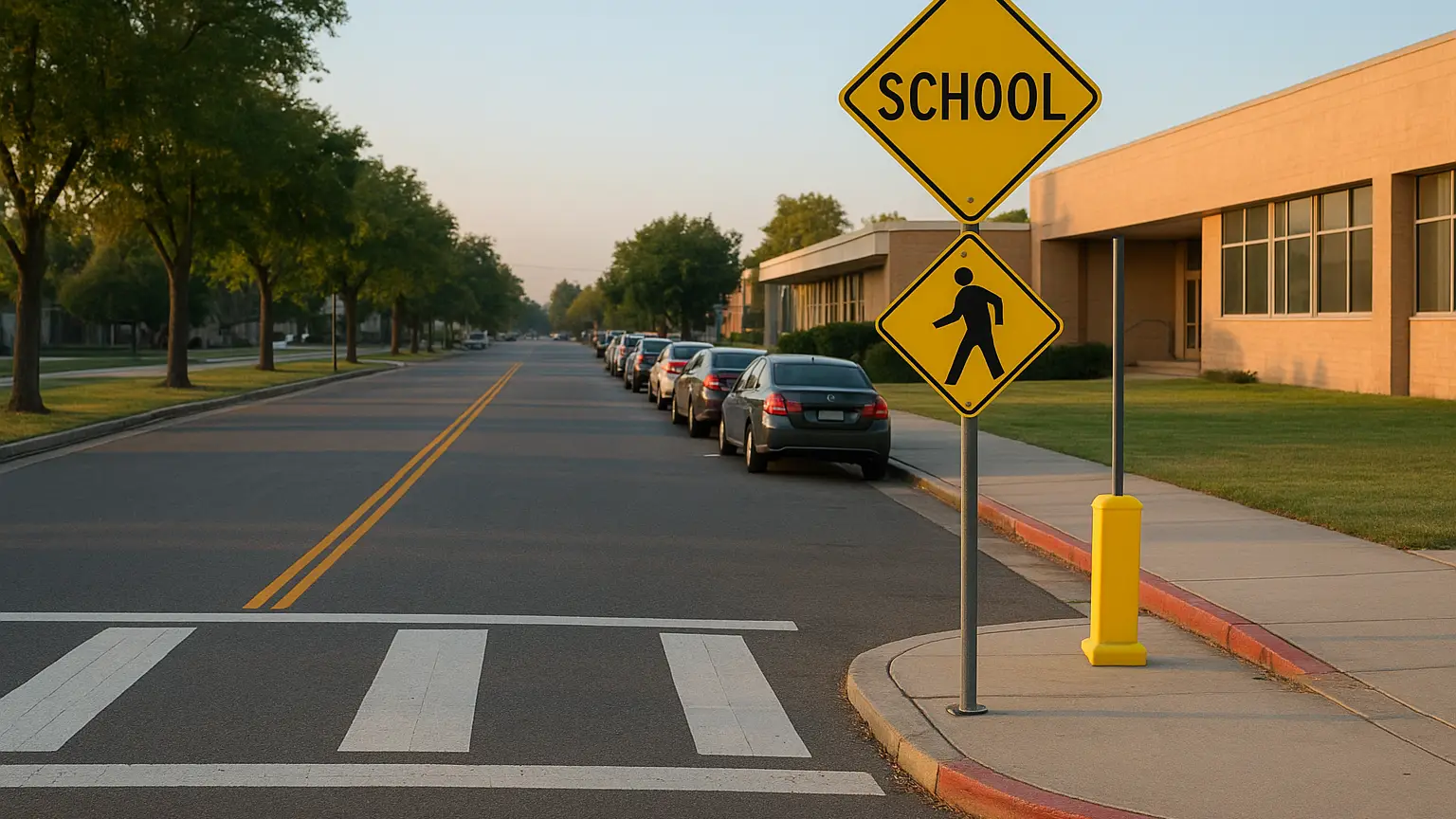
In late August and September, drop-off and pickup pack cars, buses and kids into the same few streets. Parents run late, phones buzz with school texts and teens drive to class alone for the first time. Traffic is slow but crowded and full of quick stops.
Each one looks simple at first. It rarely is. The driver is often not the only one who may owe you money.
In Colorado, a teen under 18 needs an adult to sign the license application. The adult who signs can be held responsible, along with the teen, for harm the teen causes while driving. If the family owns the car and lets the teen use it for everyday trips, the family car doctrine may also apply. This matters because teens rarely have much insurance or money of their own.
Many districts hire private companies to run their buses, and those companies can be sued like any other business. The questions go beyond the crash itself. Was the driver properly screened and trained? Were the brakes and stop arm working? Was the stop placed on a fast, busy road with no safe place to wait?
When a district runs its own buses, Colorado's Governmental Immunity Act applies. It shields public bodies from many lawsuits but waives that protection for injuries caused by operating a public vehicle, such as a district bus. A claim is possible, but it follows special rules and limits on recovery.
“Families tend to focus on the driver they saw that morning. The bus contract, the route map and the name on the license paperwork are often where the real answer is,” says Dana Whitfield, case strategy director at Mooshekh Law Firm.
Fault fights are common. Insurers may say a child darted into the street or a teen walker was looking at a phone. You can recover under Colorado's 50% rule only if your share of fault is less than 50%, and any award shrinks by your share. That is why the facts at the scene need to be locked down early.
Every Colorado case turns on details that are easy to miss on your own. A short conversation costs nothing and tells you where you actually stand.
Request a Free Consultation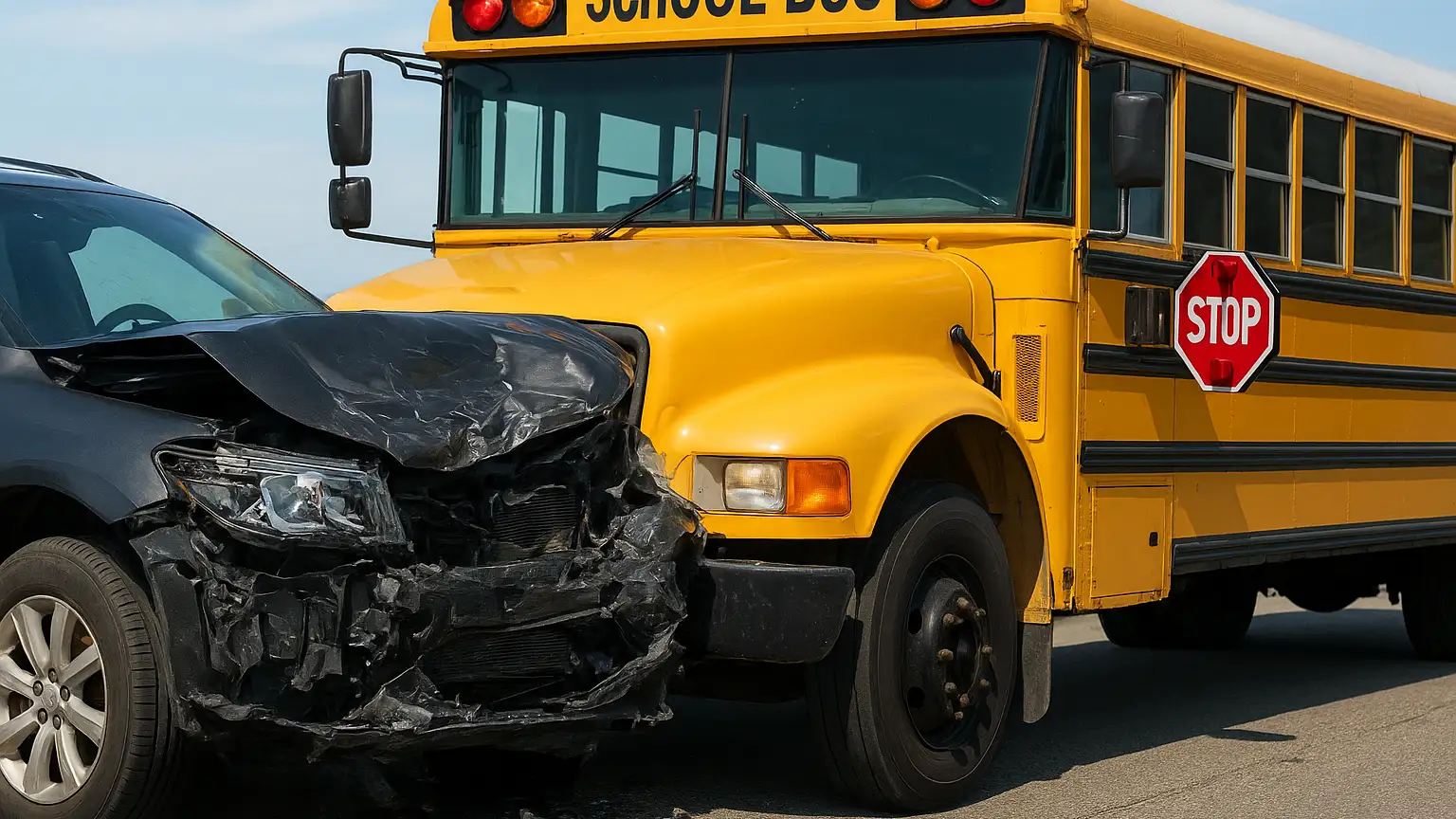
Most Colorado car crash cases give you three years to file a lawsuit. Claims against a public entity are different: you must give written notice within 182 days of discovering the injury. Miss that window and the claim can be lost, even if the case is strong.
The notice goes to the public entity's governing body or its attorney. Sending it to the wrong office can create problems.
Be careful with early phone calls. An insurer for a bus company or a teen's parents may reach out fast and sound kind, but that first adjuster call is often about getting a quick statement or a low offer before the full injury is known.
The team at Mooshehk Peresonal Injury Law Firm stresses this for child injury cases. Kids heal and grow in ways that can hide problems. A head bump, a growth plate injury or anxiety about riding the bus may not show its full impact for months, and settling early can leave a family paying for care later.
As the school year winds down, the risks shift again. Summer brings long drives, crowded highways and claims tangled up in rental cars and out-of-state drivers, where finding the right insurance gets even harder.
Back-to-school crashes pull in more people than most families expect. Beyond the distracted driver, the car that passes a stopped bus or the new teen driver, the adult who signed the teen's license, the bus company and the school district may all share the blame. Under Colorado's fault rules, every detail at the scene can raise or lower what you recover.
The biggest trap is time. A claim against a public entity can be lost after just 182 days, long before the usual three-year limit. Bus video can be erased, witnesses forget and children's injuries can change as they grow. Acting early protects your child's health, your evidence and your right to be paid in full.
Written and reviewed by the trial attorneys at Personal Injury Law Firm of Colorado, 1099 18th St # 2400, Denver, CO 80202. Our team has spent more than two decades litigating injury claims in Colorado state and federal courts. This article is general information about Colorado law, not legal advice about your specific claim.
Evidence disappears, witnesses move, and deadlines pass quietly. Tell us what happened and we will tell you honestly whether you have a claim worth pursuing.